


When Ego Poses as Progress
“It is impossible for a man to learn what he thinks he already knows.” — Epictetus
There’s a trap hidden inside progress: ego. It convinces us that a small victory is the end of the road. We meditate for a few days, journal for a week, resist anger once, and assume we’ve outgrown our old selves. The ego, ever clever, disguises pride as peace and comfort as growth.
But real growth is humble. It doesn’t parade. It continues quietly when no one is watching. Stoicism reminds us to stay grounded in process, not outcomes.
When we think we’ve “arrived,” we often stop doing the very practices that helped us make progress in the first place. That’s when we slide — not because we’ve failed, but because we’ve stopped paying attention.
In Buddhism, the same warning shows up in the cycle of craving and aversion. We crave success. We avoid discomfort. And those reactions can drag us backward even while we think we’re moving forward.
The Loop of Craving, Clinging, and Collapse
“You only lose what you cling to.” — Buddha
In Buddhist thought, suffering is born from clinging. We cling to progress, to feeling good, to staying motivated. When that feeling slips — because it always will — we resist. We call it laziness, backsliding, failure. But in truth, it’s just another turn of the wheel.
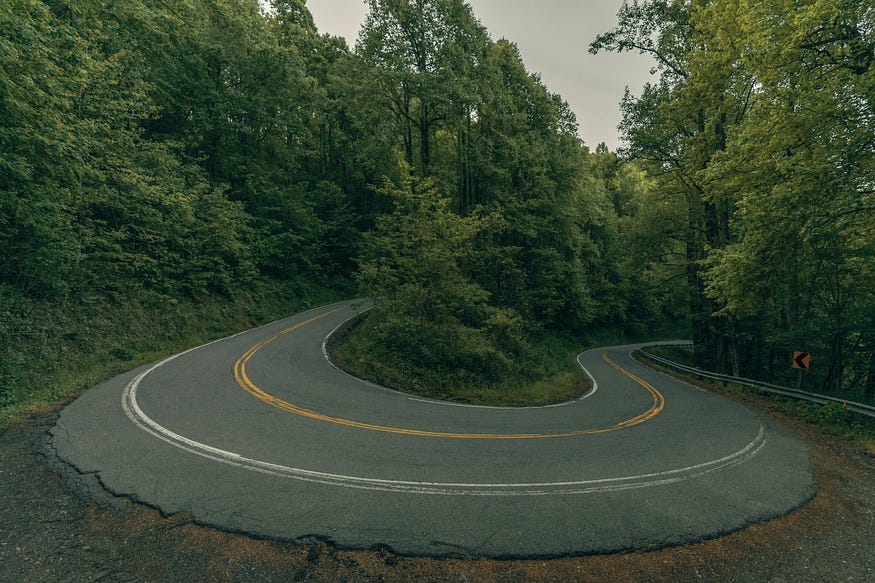
Falling back into old habits doesn’t mean we’re broken. It means we’re alive. The path isn’t straight — it’s circular. The work is in noticing when we’ve wandered, and gently guiding ourselves back.
Where Buddhism teaches us to notice and redirect, Taoism invites us to release altogether. It echoes this return not with instruction, but surrender.
Flow Over Force
“Nature does not hurry, yet everything is accomplished.” — Lao Tzu
Taoism teaches that struggle often slows us down. We force progress with guilt, pressure, and shame. But flow — the true kind — is effortless. Not lazy, not passive, but aligned. When we move with the current instead of thrashing against it, life moves with us.
Progress isn’t always action. Sometimes it’s rest. Sometimes it’s the decision not to give up. In the Tao, stillness is not a setback — it’s a season. We forget this when we measure ourselves only by how fast or far we move.
Still, even when we trust the current, we’re swimming with a brain wired for old patterns. And once we understand how the brain resists change, we face the deeper challenge: choosing change anyway.
Biology Isn’t Destiny
“Neurons that fire together, wire together.” — Hebb’s Rule
Every old habit has a neural trail. The brain, designed for efficiency, defaults to what it knows, especially under pressure. When stress hits, we go back to autopilot. That might look like procrastination, self-doubt, or retreating from challenges.
But there’s no moral failure here. Just biology. The good news? Biology can change. When we choose new patterns — again and again — we start rewiring our reflexes. Not instantly. Not perfectly. But gradually. That’s the work.
Neuroscience gives us grace. It reminds us that missteps are not proof we’re doomed. They’re proof that our brains are following their training. And if we can train them once, we can train them again.
And to keep showing up for that work — again and again — we need to believe we’re worth the effort. Even when we fall short.

Becoming Human On Purpose
“The curious paradox is that when I accept myself just as I am, then I can change.” — Carl Rogers
Humanist personal development starts with compassion. It isn’t about hacking our habits or becoming productivity machines. It’s about remembering we are people. Messy, brilliant, imperfect people. And we grow best in environments where we feel safe — not shamed.
We think self-criticism keeps us sharp. But often, it just keeps us scared. True accountability starts with honesty, not hostility. We can fall off without falling apart.
Forgiveness isn’t letting ourselves off the hook. It’s giving ourselves a hand backup. It’s choosing to keep going instead of giving up. Progress is possible — not through perfection, but through patience.
Closing Thoughts: Keep Going
Hope isn’t naïve. It’s necessary. Especially when we’ve stumbled, when our patterns feel unbreakable, when the voice in our head says we’ll never change. It’s easy to confuse rest with surrender, or to believe that one setback means we’re back at zero.
But we’re never at zero. Every breath, every choice, every moment we show up again builds something. This isn’t about hustle. It’s not about proving anything to anyone. It’s about building a reality that sustains us — from the inside out.
Whether we work with our hands or our minds, whether we’re exhausted or just starting, the path forward remains the same: one small, honest, imperfect step at a time. Not with shame. Not with panic. But with presence. With self-compassion. And with the quiet discipline to keep going.

