



The Unseen Habit
I judge.
People. Situations. Myself.
It’s quick — reflexive. A smirk. A label. A silent narrative in my head.
Sometimes I catch it. Sometimes it slides right by, disguised as clarity or intelligence or “just being real.”
Lately, I’ve been thinking about the way judgment sneaks in. The way it steals connection. The way it shuts me down just as I’m trying to open up.
“When you judge another, you do not define them, you define yourself.” — Wayne Dyer
Judgment Is the Brain’s Shortcut
Here’s the thing: we’re wired to judge.
The default mode network in our brains lights up when we’re not focused — when we’re daydreaming, remembering, worrying. It loops us into self-referential thought, comparisons, fears, and projections. This is the architecture of judgment.
But it’s not just biology — it’s existential.
“Until you make the unconscious conscious, it will direct your life and you will call it fate.” — Carl Jung
Jung said we project the parts of ourselves we can’t face. That’s the shadow. So when I label someone as arrogant or fake, maybe I’m glimpsing something unresolved in me. Judgment becomes a mirror. A distorted one.
“It’s not things that upset us, but our judgment about things.” — Epictetus
It’s not the lateness — it’s the story I tell about what it means.
It’s not the failure — it’s the belief I should never fail.
Why It Feels Good to Judge (Even When It Hurts)
Judgment makes me feel like I know something.
Like I’m in control. It’s safer to judge than to feel.
I missed a goal I set? I rush to label myself “undisciplined” before anyone else can.
This is ego defense.
“Compassion is the radicalism of our time.” — Dalai Lama
Humanism reminds us that people need acceptance to grow. But judgment replaces understanding with control. It keeps others at a distance and keeps me in a loop of performance and critique.
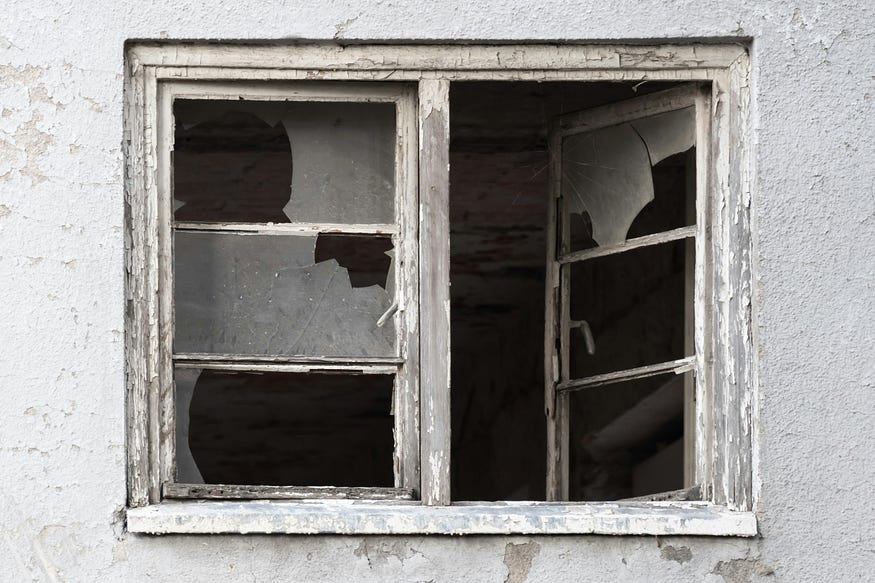
What We Lose When We Judge
Judgment disconnects.
From others. From ourselves.
It feels powerful in the moment, but it fractures trust. It turns people into characters in a play we’re writing. And when I’m in judgment mode, I can’t listen. I can’t learn. I can’t love.
“Hell is other people.” — Jean-Paul Sartre
But maybe the real hell is the lens we use to see them.
The Antidote: Awareness, Not Avoidance
So, how do we move forward?
Not by pretending we never judge.
But by noticing it, getting curious, and slowing down.
“Between stimulus and response, there is a space. In that space is our power to choose our response.”— Viktor Frankl
The Stoics called it prohairesis — the inner freedom to choose how we interpret and respond to life. That space is everything.
A Daily Practice in Unlearning
I still judge. But now I try to see it.
I question it. I sit with it. I breathe before I speak.
Sometimes I succeed. Sometimes I don’t.
But that’s the practice — replacing reaction with reflection.
Replacing condemnation with compassion.
Replacing the need to be right with the desire to see clearly.
“We’re all just walking each other home.”— Ram Dass
That hits differently now.
Maybe we walk each other home more easily when we stop narrating the journey and start sharing it.

I write about the messy parts of being human — judgment, ego, awareness, and all the places we trip on our way to clarity.
If this piece made you pause or reflect, you can:
- Leave a comment — what helps you catch yourself when you’re judging?
- Follow me for more essays that blend Stoicism, spirituality, and human insight.
 Anarchy Journal Constitutional