
Posts Tagged ‘love’


Photo by Branislav Knappek on Unsplash

The Nature of Change

“No great thing is created suddenly.” — Epictetus

This morning, I showed up.

I followed through on something that mattered to me — clear-headed, aligned, focused. For a moment, I felt like I was becoming the version of myself I’ve been working toward.

An hour later, I hit a different decision point. And I didn’t take the action I meant to. Old habits stepped in. I let the moment pass.

But here’s what surprised me: I didn’t unravel. I didn’t shame myself or throw the rest of the day away.

I shifted gears. I stayed present. And the rest of the day has been solid, productive, meaningful, even light.

That’s what reminded me: change doesn’t always arrive in clean lines. Sometimes it shows up in layers. And that’s still real progress.

Grace in the Middle

“You cannot rip the skin off the snake. The snake must moult the skin. That’s the process of change.” — Alan Watts

We’re conditioned to believe that transformation is something we push through. But often, it’s something we wait with.

We want to force the old version of ourselves to fall away. But it doesn’t work like that. It’s not about control. It’s about timing.

Alan Watts puts it simply: you can’t rush the shedding process. You don’t rip the skin off the snake. The change happens, but only when it’s ready.

What I’m learning is that real growth feels slower than we expect. Not weaker — just more alive.
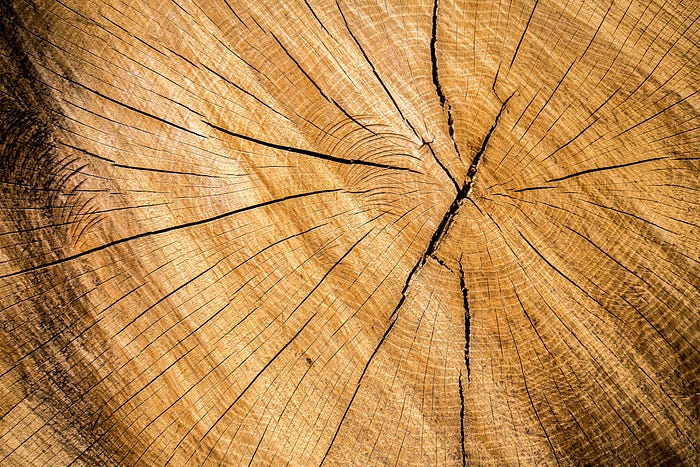
Photo by Simon Stankowski on Unsplash

You Are Not a Machine

“Growth is an erratic movement, not a steady climb.” — Nathalie Goldberg

We tell ourselves that if we were changing, we’d be consistent.

But humans don’t move like machines. We’re cyclical, emotional, and imperfect. Progress is jagged. And that’s okay.

This morning reminded me that one slip doesn’t cancel the steps that came before it. It’s not all-or-nothing. Some days you show up in one area and miss in another — and both are part of the picture.

When we drop the pressure to be perfect, we make room for something more sustainable: self-trust.

Rewiring the Self

“Neurons that fire together, wire together.” — Donald Hebb

Every time we try again — even if it doesn’t stick — we’re teaching our brain something new.

Habits don’t form instantly. They form through repetition, through small shifts in how we respond. Each choice sends a signal.

When you pause instead of spiral, when you reset instead of shut down, that matters. You’re building a pattern of showing up with patience.

It takes time. But it takes.

Photo by Marc Marchal on Unsplash

Trust the Tending

This morning didn’t go perfectly. But I met myself with patience, and I kept going.

That’s what I’m learning to trust: the act of tending to yourself, even when your progress doesn’t follow a straight line. Even when it feels like you’re circling the same challenge again. Even when the change is quiet and invisible to everyone but you.

We often underestimate these moments. The decision to stay present instead of shutting down. The small, unglamorous choice to show up again. The willingness to ask: “What’s still possible today?” instead of assuming the day is lost.

These are the real milestones. This is the texture of transformation — not dramatic, not always visible, but deeply human.

Growth doesn’t have to be loud to be meaningful. Sometimes it’s just quietly showing up for yourself again.


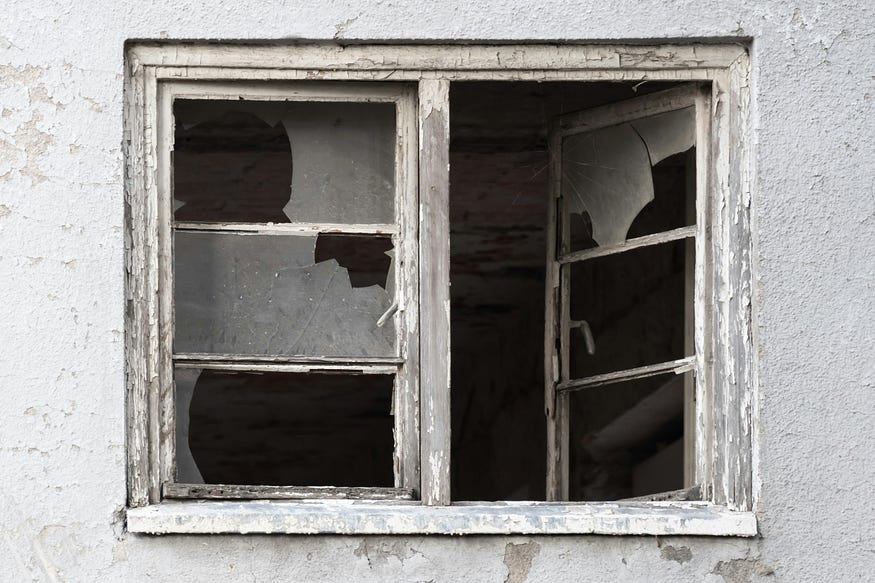

Photo by Inggrid Koe on Unsplash

The Unseen Habit

I judge.
People. Situations. Myself.

It’s quick — reflexive. A smirk. A label. A silent narrative in my head.
Sometimes I catch it. Sometimes it slides right by, disguised as clarity or intelligence or “just being real.”

Lately, I’ve been thinking about the way judgment sneaks in. The way it steals connection. The way it shuts me down just as I’m trying to open up.


“When you judge another, you do not define them, you define yourself.” — Wayne Dyer


Judgment Is the Brain’s Shortcut

Here’s the thing: we’re wired to judge.

The default mode network in our brains lights up when we’re not focused — when we’re daydreaming, remembering, worrying. It loops us into self-referential thought, comparisons, fears, and projections. This is the architecture of judgment.

But it’s not just biology — it’s existential.


Until you make the unconscious conscious, it will direct your life and you will call it fate. — Carl Jung


Jung said we project the parts of ourselves we can’t face. That’s the shadow. So when I label someone as arrogant or fake, maybe I’m glimpsing something unresolved in me. Judgment becomes a mirror. A distorted one.


“It’s not things that upset us, but our judgment about things.” — Epictetus


It’s not the lateness — it’s the story I tell about what it means.
It’s not the failure — it’s the belief I should never fail.

Why It Feels Good to Judge (Even When It Hurts)

Judgment makes me feel like I know something.

Like I’m in control. It’s safer to judge than to feel.

I missed a goal I set? I rush to label myself “undisciplined” before anyone else can.

This is ego defense.


“Compassion is the radicalism of our time.” — Dalai Lama


Humanism reminds us that people need acceptance to grow. But judgment replaces understanding with control. It keeps others at a distance and keeps me in a loop of performance and critique.

Photo by Pawel Czerwinski on Unsplash

What We Lose When We Judge

Judgment disconnects.
From others. From ourselves.

It feels powerful in the moment, but it fractures trust. It turns people into characters in a play we’re writing. And when I’m in judgment mode, I can’t listen. I can’t learn. I can’t love.


“Hell is other people.” — Jean-Paul Sartre


But maybe the real hell is the lens we use to see them.

The Antidote: Awareness, Not Avoidance

So, how do we move forward?

Not by pretending we never judge.
But by noticing it, getting curious, and slowing down.


“Between stimulus and response, there is a space. In that space is our power to choose our response.”— Viktor Frankl


The Stoics called it prohairesis — the inner freedom to choose how we interpret and respond to life. That space is everything.

A Daily Practice in Unlearning

I still judge. But now I try to see it.
I question it. I sit with it. I breathe before I speak.

Sometimes I succeed. Sometimes I don’t.

But that’s the practice — replacing reaction with reflection.
Replacing condemnation with compassion.
Replacing the need to be right with the desire to see clearly.


“We’re all just walking each other home.”— Ram Dass


That hits differently now.

Maybe we walk each other home more easily when we stop narrating the journey and start sharing it.

Photo by Tegan Mierle on Unsplash

I write about the messy parts of being human — judgment, ego, awareness, and all the places we trip on our way to clarity.


If this piece made you pause or reflect, you can:

  • Leave a comment — what helps you catch yourself when you’re judging?
  • Follow me for more essays that blend Stoicism, spirituality, and human insight.