
What happens to the things we decide we don’t want?


You click Buy Now. A few days later, a package appears at your door.
Maybe you ordered the wrong size. Maybe the color looked different in person. Maybe the thing simply wasn’t what you expected.
So you put it back in the box, print a label, drop it off, and eventually receive a notification: Your refund has been issued. Done.
From your perspective, almost nothing happened. That’s what makes modern returns so interesting. The return button makes the process feel simple because most of the complexity happens somewhere else.
The product has to travel again. Someone has to receive it, inspect it, sort it, and decide what happens next.
It may need new packaging. It may move to another warehouse. It may go to a liquidator, refurbisher, donation center or recycling facility. And sometimes, after all that, it becomes waste.
The environmental story of a return isn’t simply about a box traveling backward. It’s about everything that happens after we decide: I don’t want this anymore.
The Return Trip
Online shopping has made returns extraordinarily common.
The National Retail Federation estimates that 19.3% of U.S. online sales will be returned in 2025, with total retail returns projected at roughly $849.9 billion. Its survey also found that 82% of consumers consider free returns important when shopping online.
Those numbers aren’t evidence that consumers are doing something wrong. Returns solve real problems.
The product may not fit. It may arrive damaged. The seller may have sent the wrong thing. Sometimes we simply discover that it isn’t right for us.
A return can prevent someone from being stuck with something useless. And if that product goes directly back into circulation, the environmental impacts of producing a replacement may be avoided. That’s important.
But it raises a different question: What happens when the product doesn’t simply go back on the shelf?
Because the trip home was only the first trip. The return begins another one.
One Purchase, Multiple Journeys
Think about the conventional path of an online purchase.
- Factory.
- Warehouse.
- Delivery truck.
- Your front door.
- Now return it.
- Your front door.
- Drop-off point.
- Carrier.
- Return facility.
- Warehouse.
- Maybe another warehouse.
- Maybe a refurbisher, liquidator, donation center or recycling facility.
- Maybe another consumer.
Every additional movement requires energy. And depending on the transportation network, that means additional fuel consumption and greenhouse-gas emissions.
Research on reverse logistics identifies collection, reverse transportation and onward transportation as distinct environmental impacts of returns. A returned product doesn’t necessarily stop moving when it reaches the retailer. It can continue through the secondary supply chain.
A 2025 U.S. apparel study found transportation was the dominant source of return-related carbon emissions in some of the retailers it examined, with long-distance returns accounting for a particularly large share.
Distance matters. So does transportation mode.
A return moved efficiently along an existing route isn’t environmentally equivalent to one traveling hundreds or thousands of miles through a centralized reverse-logistics network.
The more convenient the return appears to us, the more invisible the physical journey becomes.
The friction hasn’t disappeared. It has moved.
The Box Inside the Box
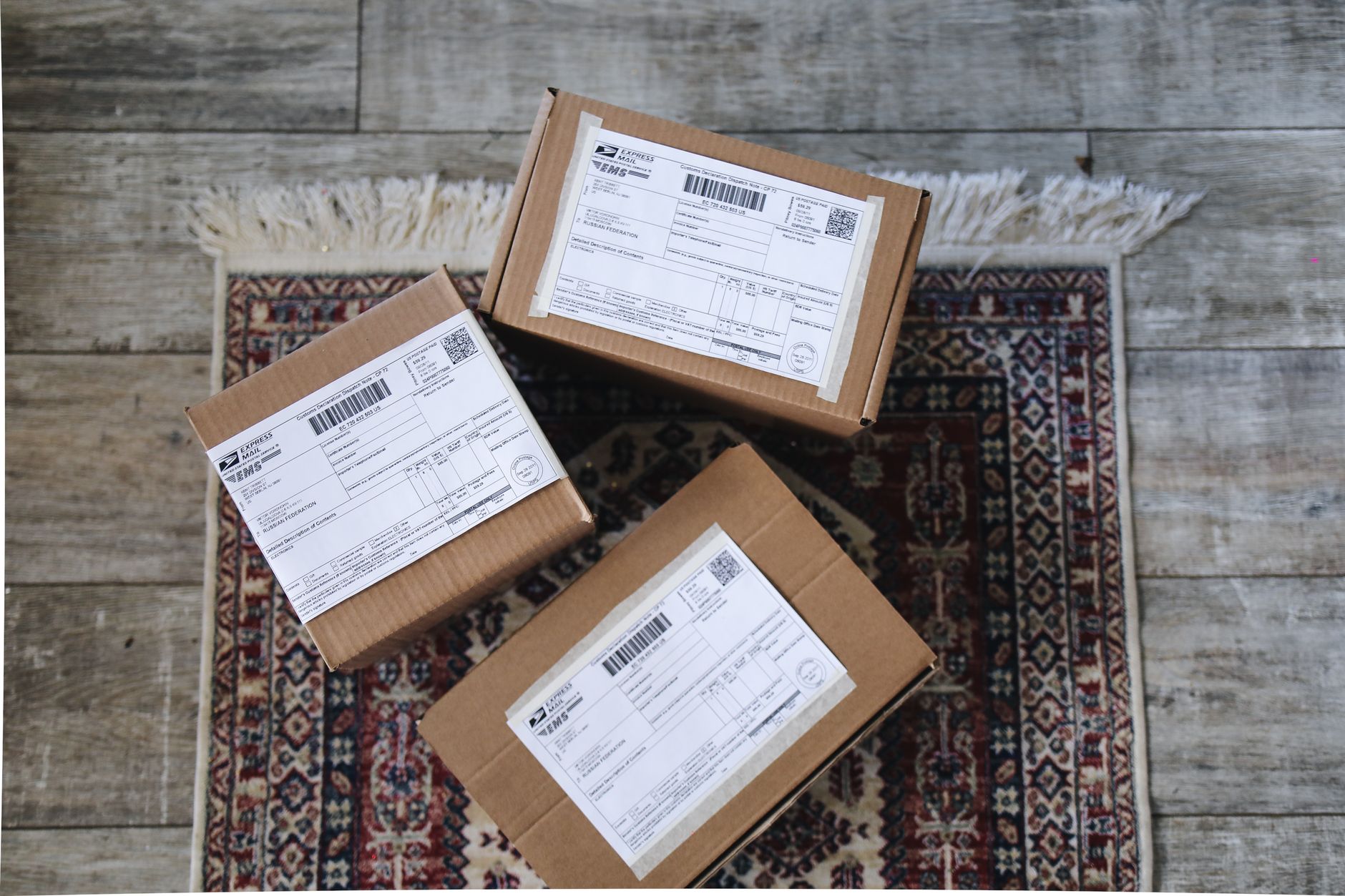
Then there’s the packaging.
The original shipment required a box, mailer, or other container. Inside might have been cardboard inserts, plastic bags, protective film, air pillows, foam, labels, or other materials designed to protect the product.
Now the product is going back.
Maybe the original packaging can be reused. Maybe it can’t. Maybe the box is damaged. Maybe the product needs additional protection.
And if the item is eventually resold, it may need to be packaged again. One object can therefore generate more packaging simply because it changed its mind about where it was going.
This matters because recyclable and recycled aren’t the same thing.
A material can technically be recyclable while still ending up in a landfill because of contamination, collection limits, processing capacity, economics or local recycling requirements.
EPA’s national packaging data illustrates the scale of the distinction. In 2018, 30.47 million tons of U.S. containers and packaging were landfilled, while 44.33 million tons were recycled.
That doesn’t mean every return package becomes landfill waste. It means we should stop treating the word recyclable as though it means it will be recycled.
Those are different claims. And the waste isn’t necessarily limited to the packaging.
Sometimes the product itself becomes part of the waste stream.
The Product’s Second Life
A return isn’t automatically waste. A returned product can be inspected and put back into inventory.
- It can be cleaned or repaired.
- It can be refurbished and sold as used.
- It can enter a secondary marketplace.
- It can be liquidated.
- It can be donated.
These pathways matter because keeping an existing product in use can avoid the environmental impacts of producing another one. Retailers have built increasingly elaborate systems around this.
Amazon, for example, describes programs through which eligible returned products can be inspected, graded and resold rather than automatically discarded. Its seller programs also include liquidation and donation pathways for eligible inventory.
That’s the hopeful side of reverse logistics. The return doesn’t have to be the end of the product’s useful life. It can be a detour. And a detour can make environmental sense if the product eventually reaches another consumer.
But what happens when it doesn’t?
When There Is No Second Life
A product can be perfectly functional and still become economically worthless.
That’s one of the strange realities of modern consumption. The environmental resources invested in an object don’t disappear when its market value falls.
The raw materials were still extracted. The energy was still consumed. The factory still operated. The product was still transported. Its packaging was still manufactured. None of that gets refunded when the product is thrown away.
A 2024 study examining more than 630,000 returned apparel items in the European Union found that 22–44% of returned products never reached another consumer under the management scenarios studied. The researchers also found that emissions associated with producing and distributing those unused returns could be substantially larger than the combined emissions from their post-return transportation, packaging and processing.
That’s an important distinction.
The highest environmental cost of a returned product may not be the truck bringing it back. It may be everything required to make a product that ultimately isn’t used again. The resources have already been spent.
The useful life never happened.
The Economics of Disappearance
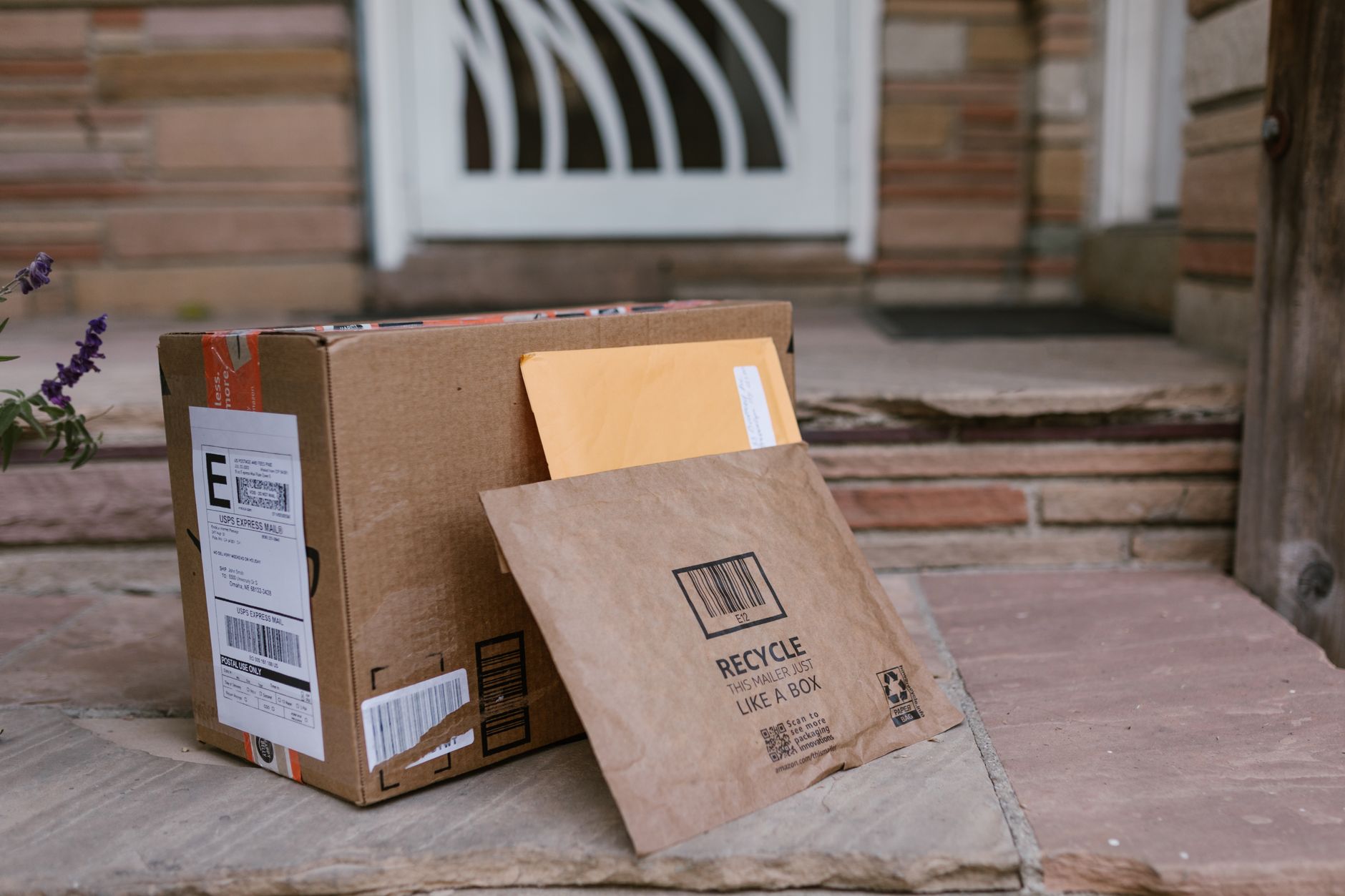
This is where economics enters the story. Economics helps explain why environmentally useful things sometimes stop being useful.
A retailer has to decide what a returned product is worth.
- Can it be inspected quickly?
- Can it be repackaged?
- Can it be sold again?
- Will the resale price justify the labor and transportation?
- Would liquidation recover more value?
- Would donation make more sense?
- Is recycling worthwhile?
- Or is disposal simply cheaper?
The answers determine what happens next.
There isn’t necessarily a single villain making the decision. There is a chain of decisions. And every decision has a cost.
The problem is that the market price of a product doesn’t contain the full environmental cost of producing, transporting and disposing of it.
A shirt doesn’t become less carbon-intensive because its resale value dropped to five dollars. A cardboard box doesn’t become less material-intensive because the retailer can no longer use it.
The environment doesn’t get to participate in the liquidation auction.
The Convenience Paradox
We tend to think of convenience as the absence of friction.
- Click.
- Buy.
- Receive.
- Return.
- Refund.
- Finished.
But physical systems don’t work that way.
The friction still exists.
- Someone drives the truck.
- Someone sorts the package.
- Someone replaces the damaged packaging.
- Someone inspects the product.
- Someone decides whether it can be sold.
- Someone transports the unsellable inventory somewhere else.
- Someone handles the waste.
The environmental consequences remain even when they disappear from our view. That’s the strange achievement of frictionless commerce.
It doesn’t eliminate the physical process. It separates us from it. And that separation can change behavior.
If returning something costs almost nothing in time, money, or effort, we’re naturally more willing to return it.
The National Retail Federation’s 2025 research found that 82% of surveyed consumers considered free returns important, while 76% said they were more likely to choose an option offering an instant refund or exchange.
The consumer sees convenience. The supply chain sees another unit to process. The environment sees another physical journey.
The Return Economy
None of this means we should abolish returns.
That would miss the point. Returns solve real problems.
They can prevent consumers from keeping products they cannot use. Resale can extend a product’s useful life. Refurbishment can keep products in circulation. Liquidation can move inventory into secondary markets. Donation can put usable goods into new hands. Repair can keep products out of the waste stream.
The environmental question isn’t: Are returns bad?
It’s more useful than that. What happens to a product after it is returned? Does it become someone else’s useful product? Or does it become another object moving through a system that eventually has nowhere productive to send it?
That distinction is everything.
A return that puts a product back into use can be a form of circularity. A return that produces additional transportation, packaging, and handling before ending in disposal adds environmental burden to the original purchase.
The difference isn’t visible when we click the button. But it exists.
What Happens to the Things We Decide We Don’t Want?
That’s the question hiding underneath the return policy. Not: Did I get my money back? We already know the answer.
The more interesting question is: What happened to the thing?
- Some are returned to inventory.
- Some are refurbished.
- Some become somebody else’s bargain.
- Some enter liquidation markets.
- Some are donated.
- Some are recycled.
- And some never reach another consumer.
There is no single villain hiding at the end of the supply chain. There is a system.
Retailers are trying to recover value. Consumers are responding to convenience. Logistics companies are moving enormous volumes of merchandise. Secondary markets are creating new value from old inventory. And the environment carries consequences that none of those transactions fully capture.
Maybe that’s the strange thing about the modern return. We experience it as an ending. But environmentally, it is often another beginning. The package leaves our hands. The story doesn’t end.
It just becomes someone else’s problem.

