Resistance is a Roadblock and a Brick Wall

Have you ever felt paralyzed by indecision, knowing exactly what you need to do but unable to take action? I’ve been there, countless times. The culprit? Resistance, the invisible saboteur that can derail our plans, our goals, and our dreams often before we even get started.

I’ve realized that resistance has been a huge roadblock in my life. Just take this article — I put off writing it for three extra days, letting resistance win when I sat down to write. Even with routines in place to help me tackle that writing resistance, it’s so much easier to say, “I’ll do it later” or “I’ll handle it tomorrow,” and then get lost in distractions, whether online or in the real world.
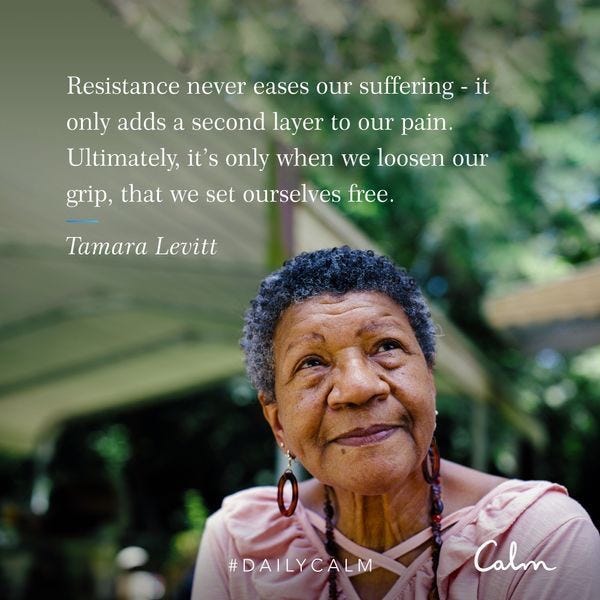
Not doing something is still a choice. When I choose not to act, I’m choosing to miss out. There’s no escaping the cost of that choice. Giving in to resistance only makes things tougher, which is the opposite of what we want. We often think, “I don’t want to make things worse,” but that’s exactly what happens when we do nothing.

So, how does giving in to resistance make things worse? It breeds bad habits. It keeps us stressed and anxious. It turns into excuse-making. We end up feeling stuck or helpless, living from a place of inaction that feels lazy.

Photo by Jens Aber on Unsplash

Habitual Wet Cement

And that’s a perfect way to describe it — cementing a lazy mindset. Once you’re used to being lazy, trying to switch to a more proactive attitude feels like trying to walk through wet cement that’s already starting to harden. It’s tough because fighting against the habit of giving in to resistance is like pushing against reality. Remember, inaction is still a form of action. So now, on top of laziness, stress, and anxiety, there’s also this extra layer of resisting change.

“The reason why we struggle with insecurity is because we compare our behind-the-scenes with everyone else’s highlight reel.” — Steven Furtick

So, how do we change? How do we at least start to attempt to change? Well by letting go and giving up of course. It would be weird if the solution didn’t sound weird and counterintuitive. But we’re not giving up on ourselves, giving up on our goal(s), giving up on life. We’re letting go of our illusion of control. We’re giving up our need to achieve the perfect, ideal version of what we want based on our own imagined outcome.

Resistance is the Red Right Hand of Perfectionism.

We’re giving up perfectionism when we stop giving in to resistance. When we accept we are not only not perfect, but are closer to mediocrity than our ego would ever care to let us admit. That is why we have to try. That is why we have to do it. That is why we have to work at it. What is it? It is our goal, our task, our life’s work, what we want to achieve, etc.

“Letting go doesn’t mean giving up. It means accepting that some things are out of your control and that life goes on whether you like it or not.” — Katharina Manderson

Mindfulness and Microtasking

One step at a time, one choice at a time, one action at a time. A building is built brick by brick, plank by plank, beam by beam, floor by floor. Each action we take, and each piece of work we create helps us get to the vision we have in our head pragmatically.

We can’t think our way into anything but we can think our way out of everything. Whatever it is that we want to do, to get it done we need to get out of our heads, get into the present moment, and focus on the first small thing we have to do, to tangibly move our process of accomplishment forward.

Whether we want to move mountains or move into the kitchen to get a snack, we start by getting up and taking a single step in the direction we need to move. Small chunking or micro-tasking takes the burden of accomplishment off of our shoulders.

We mindfully or consciously choose to focus on the present moment, and on this small, individual action we have to take. It may seem insignificant at first and maybe insignificant in the long run but micro-tasking is the way to pragmatically and consistently move through resistance and let go of perfectionism.

“The brick walls are there for a reason. The brick walls are not there to keep us out. The brick walls are there to give us a chance to show how badly we want something.” — Randy Pausch

Awareness then Action is the Path to Progress

So, the next time you find yourself grappling with resistance, and there will be a next time, try to remember: it’s a choice. You can let it hold you back, or you can choose to let go. Embrace mindfulness and micro-tasking. Choose to focus on taking small actions, step by step and you’ll find you can overcome any obstacle to accomplishing your goals.

The journey may be challenging because life is challenging. However, the rewards are immeasurable. Are you ready to break free from the chains of resistance and embrace a life of freedom and fulfillment?


Rent the world, own nothing: how the economy of access replaced ownership—and why that’s not freedom, it’s feudalism in a hoodie.


We Don’t Own Our Music.

We don’t own our movies.
We don’t even own our cars.

What used to be ours to keep is now ours to rent—on a recurring, never-ending loop. The world has been restructured around access, not ownership. But access without control isn’t freedom.

It’s a digital landlord economy.
And we’re living on rented ground.


The Convenience Con

The pitch was irresistible: subscribe and simplify.

From Netflix to Microsoft, Spotify to Adobe—subscription models promised us seamless access to everything. No bulky boxes. No up-front costs. Just “click and go.”

But convenience was the bait.
Dependence was the hook.

Now we can’t cancel half our apps without playing hide-and-seek in the settings menu. Our tools and files vanish the second a payment fails. Even our refrigerators and vehicles may stop functioning if we miss the latest software toll.

This was never about helping us.
It was about controlling us.


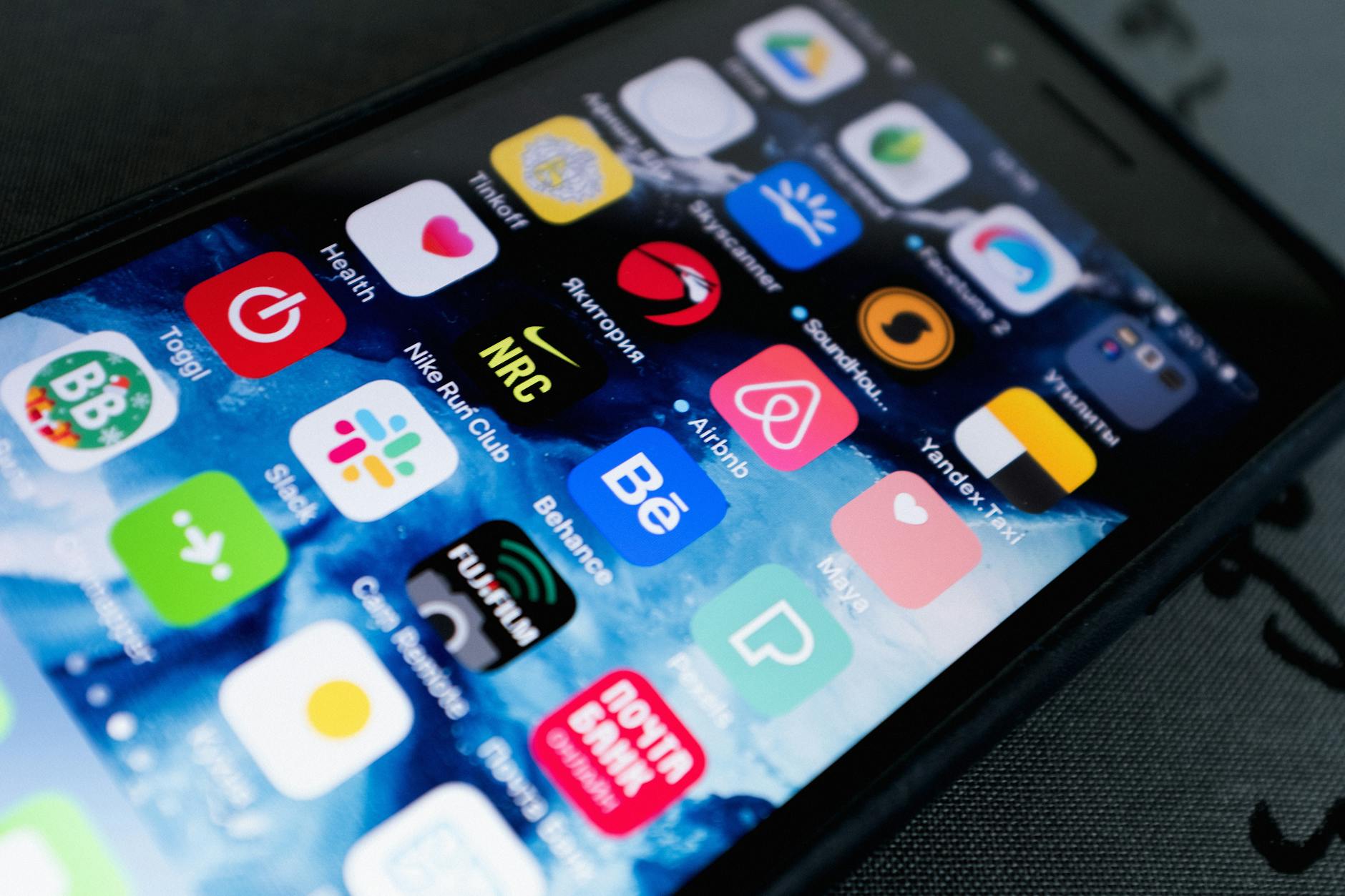
Photo by Pixabay on Pexels.com

From Tools to Tethers

We remember when we could buy software once and use it for years.
We remember when a car’s features were hardware, not paywalled.
We remember when a song download meant we owned it.

But now:

  • Microsoft Office is a subscription.
  • Tesla’s seat warmers require a monthly payment.
  • E-books on our Kindle can be deleted remotely.

We’ve moved from products to platforms to prisons.
And the doors lock automatically when the rent is late.

“The war on general-purpose computing is a war on ownership.”Cory Doctorow, author & digital rights activist


The Algorithmic Lease

This system doesn’t just live on our bank statements.
It feeds on our behavior.

We’re managed by code. Trained by design. Nudged by algorithms that know exactly when to tempt us, prod us, or penalize us.

  • Free trials renew without notice.
  • Cancel buttons are buried in UI mazes.
  • “Are you sure you want to cancel?” guilt-trips pop up like clockwork.

We’re not being served—we’re being optimized.
For extraction. For retention. For profit.

“Surveillance capitalism unilaterally claims human experience as free raw material for translation into behavioral data.”Shoshana Zuboff, author of The Age of Surveillance Capitalism


The New Feudalism

“You will own nothing and be happy.”

A phrase once dismissed as dystopian is now just business strategy.

Let’s look around:

  • Homes are rentals.
  • Cars are leased.
  • Content is licensed.
  • Tools are cloud-locked.
  • Even tractors are DRM’d to block our right to repair.

This is corporate enclosure 2.0.
But instead of kings and lords, we’ve got CEOs and cloud platforms.

We’re not customers anymore. We’re subscription serfs—locked into infinite payment cycles just to function in daily life.


Photo by ready made on Pexels.com

We Still Have Choices

This isn’t anti-tech. It’s pro-agency.

We can seek out companies that still let us buy once and own forever. We can use open-source tools that aren’t tied to profit motives. We can refuse to mistake convenience for autonomy.

Every time we choose ownership, even in small ways, we push back against a system designed to make us permanent renters.

Because ownership still matters.
And freedom doesn’t auto-renew.


🗞 anarchyroll presents

Excess and Algorithms
Wisdom is resistance. Truth over tribalism.


🎬 This article was reimagined as a visual essay — watch the reel below.

@anarchyroll_

Subscription Serfdom We used to own what we paid for. Now we lease our lives—locked into endless subscriptions, optimized by algorithmic landlords. 🗞 Full article at anarchyjc.com ☯️ Truth over tribalism ♾️ Wisdom is resistance. #DigitalFeudalism #SubscriptionEconomy #ExcessAndAlgorithms #anarchyroll #subscribe #economy #economics

♬ start the action – patrickzaun

📡 Follow anarchyroll across platforms for more visual essays, short-form truth, and independent, gonzo journalism-inspired writing:

📽️ TikTok: @anarchyroll_
📷 Instagram: @anarchyroll
🐤 X / Twitter: @anarchyroll
🧵 Threads: @anarchyroll
🔵 Bluesky: @anarchyroll


Redlining may be gone from the law—but it still shapes the land.

And the land is heating up.

The climate crisis isn’t hitting everyone equally.
In American cities, the poorest neighborhoods are often the hottest—and not by coincidence.

Historically redlined areas denied loans and investment during the 20th century, also lost access to green space. These neighborhoods were paved over, boxed in by highways, and stripped of shade. Today, they face extreme heat without the trees or infrastructure to soften the blow.


Recent studies show that formerly redlined zones can be up to 13°F hotter than wealthier neighborhoods just across town. This isn’t just an inconvenience. It’s a death sentence during heatwaves.

“The impacts of discriminatory housing practices are still felt today—not just in wealth and education gaps, but in the very air people breathe and the temperature they endure.” — Dr. Rachel Morello-Frosch, UC Berkeley environmental health scientist

Tree canopies reduce urban heat, but trees were never planted in “undesirable” neighborhoods. The result? A map of climate inequality that mirrors maps of racial exclusion from nearly a century ago.

This is environmental racism. And it’s still killing people.


“Extreme heat kills more people in the U.S. than any other weather event, and it disproportionately affects low-income, urban communities of color.” — CDC Climate & Health Program

Fixing it takes more than a few green grants or tree giveaways.

It requires climate justice rooted in housing justice—recognizing shade as a right, not a luxury.

It means reckoning with the legacy of racist urban planning.
It means rewilding cities with justice in mind.
It means treating shade like infrastructure.

And it means confronting the systems—past and present—that turned housing discrimination into climate danger.

Because redlining didn’t end.
It just got hotter.


🧯 Frackishima is the environmental lens of anarchyjc—where class, climate, and corruption collide.


🎬 Scroll-Friendly Version
This article was reimagined as a visual essay — watch the reel below.

@anarchyroll_

🌳 Trees were never just decoration. They were protection 🔥 Formerly redlined neighborhoods are up to 13°F hotter today. This isn’t just climate—it’s class and race and policy 👁️ Visual essay: Heat Islands and the Housing Line 🧯 From the Frackishima desk at anarchyjc.com #EnvironmentalJustice #ClimateRacism #UrbanHeat #Frackishima #Redlining #ClimateJustice #anarchyroll

♬ Intro – Mad Dog

📡 Follow anarchyroll across platforms for more visual essays, short-form truth, and independent, gonzo journalism-inspired writing:

📽️ TikTok: @anarchyroll_
📷 Instagram: @anarchyroll
🐤 X / Twitter: @anarchyroll
🧵 Threads: @anarchyroll
🔵 Bluesky: @anarchyroll


Inner peace is a term that has been used and abused over the years for a variety of reasons. It’s become a cliche and a buzzword, which in the everything-is-content-for-influencers era seems to be inevitable. But having inner peace or seeking inner peace in times of outer chaos is something that everyone can get behind.

One’s life experience is enough to know this: no matter what you do, life is better with some inner peace. Inner peace leads to better decisions, empathy, and deep conversations. It also improves active listening.

“Peace is not the absence of conflict. It is the ability to handle conflict with skillfulness.” — Thich Nhat Hanh

Inner peace lets us exercise courage, discipline, ambition, and restraint. It helps us engage with life instead of being jerked around by it. Inner peace isn’t just for yogis, meditation practitioners, and philosophy students. It is for everyone, and it is as important as cultivating physical health and critical thinking skills.

In my experience, I have found that inner peace is often confused with external peace. Inner peace is not a lack of strife, stress, or challenges. Inner peace is a calm state of being within ourselves, regardless of what is happening around us.

Photo by Iva Rajović on Unsplash

Stoicism is rooted in identifying what is within our control and what is outside of our control. Learning of that concept helped me a lot. But, the idea of equanimity has been a lifesaver. It means accepting what we can’t control.

Accepting what we can’t control flows right into accepting the impermanent nature of life. I love how philosophical practices can flow into spiritual concepts which can flow into humanistic techniques.

  • Practicing mindfulness
  • Gratitude
  • Detachment
  • Acceptance
  • Congruence
  • Meditation
  • Journaling
  • Building meaningful relationships.

Are those the strategies of philosophy, spirituality, or humanism?

The answer is all of the above. After almost 20 years of study, I find a constant. The similarities in these systems, or disciplines, are a metaphorical pressure release valve.

Not a hack, a magic pill, a quick fix, or a miracle cure because no such thing exists. Rather a clear path to inner peace. Being able to take a deep breath in knowing what I’m going through isn’t new or unique.

“The chief task in life is simply this: to identify and separate matters so that I can say clearly to myself which are externals not under my control, and which have to do with the choices I actually control. ” — Epictetus

I am a human being going through what the majority of human beings go through. Knowing that there have been people for thousands of years experiencing similar internal and external challenges and have created systems, disciplines, strategies, and techniques to deal with the obstacles of existence.

Photo by David Clode on Unsplash

That harmony among the ancient teachings helps to cultivate inner peace before one acts on the wisdom. The symmetry between Stoicism, Taoism, Buddhism, and Humanism removes an inner fear of isolated deficiency within me. The confusion of what to do is taken away. The immature hope for a quick fix dissolves.

The what to do is there. It is simply a matter of doing. And the simpler we can make living, the more likely we are to cultivate inner peace for ourselves.

Published by @anarchyroll via Anarchy Journal Constitutional


“We don’t need a truth squad. We need a First Amendment.” — Matt Taibbi, Congressional Testimony


Governments don’t need to pass laws to control speech.
They just need to pressure the platforms.


The Censorship-Industrial Complex is the unholy alliance of federal agencies, tech corporations, and pseudo-academic disinformation labs — working together to decide what ideas are safe enough for the public.

It starts with an email from DHS.
It ends with your post silently disappearing.

This isn’t a left vs. right issue.


Anti-war journalists, independent researchers, COVID policy critics — all have been flagged, suppressed, or algorithmically erased. Not because they were wrong. But because they were inconvenient.


“The people who are trying to censor speech are not protecting you. They’re protecting themselves — from accountability.” – Edward Snowden


This isn’t about protecting democracy.
It’s about protecting power.

The Twitter Files showed us the blueprint: FBI flagging accounts. NGOs vetting narratives. Platforms complying behind closed doors. But Twitter was just the tip — Facebook, Reddit, YouTube, even Microsoft were all in on it.

The architecture of censorship is modular now.
And no one is coming to dismantle it from the inside.

These aren’t isolated incidents. They’re rehearsals. The system keeps improving — not at identifying truth, but at engineering consent. Real-time surveillance of trending topics. Preemptive labeling of emerging narratives. Pressure campaigns behind the scenes. By the time the public hears a story, the terms of engagement have already been set.


“Censorship is never about stopping lies. It’s about stopping inconvenient truths from gaining traction.” – Glenn Greenwald


They call it safety.
We should call it by its name: control.

So we speak.
We write.
We resist.

Because the First Amendment isn’t a suggestion.
It’s a firewall.

anarchyjc.com | Anarchy Journal Constitutional

Wisdom is Resistance

🎬 This article was reimagined as a visual essay — watch the reel below.

@anarchyroll_

🚨 The Censorship-Industrial Complex isn’t a theory — it’s a pipeline. Government agencies NGOs Platforms All working to silence dissent. Not wrong. Just disruptive. 🔏 Truth over tribalism 📍 More at anarchyjc.com #freespeech #censorship #twitterfiles #surveillance #anarchyroll #independentmedia #mediawatch #truthseeker

♬ Void(Original ) – 崔洪喆

📡 Follow anarchyroll across platforms for more visual essays, short-form truth, and independent, gonzo journalism-inspired writing:

📽️ TikTok: @anarchyroll_
📷 Instagram: @anarchyroll
🐤 X / Twitter: @anarchyroll
🧵 Threads: @anarchyroll
🔵 Bluesky: @anarchyroll