Posts Tagged ‘finance’


Rent the world, own nothing: how the economy of access replaced ownership—and why that’s not freedom, it’s feudalism in a hoodie.


We Don’t Own Our Music.

We don’t own our movies.
We don’t even own our cars.

What used to be ours to keep is now ours to rent—on a recurring, never-ending loop. The world has been restructured around access, not ownership. But access without control isn’t freedom.

It’s a digital landlord economy.
And we’re living on rented ground.


The Convenience Con

The pitch was irresistible: subscribe and simplify.

From Netflix to Microsoft, Spotify to Adobe—subscription models promised us seamless access to everything. No bulky boxes. No up-front costs. Just “click and go.”

But convenience was the bait.
Dependence was the hook.

Now we can’t cancel half our apps without playing hide-and-seek in the settings menu. Our tools and files vanish the second a payment fails. Even our refrigerators and vehicles may stop functioning if we miss the latest software toll.

This was never about helping us.
It was about controlling us.
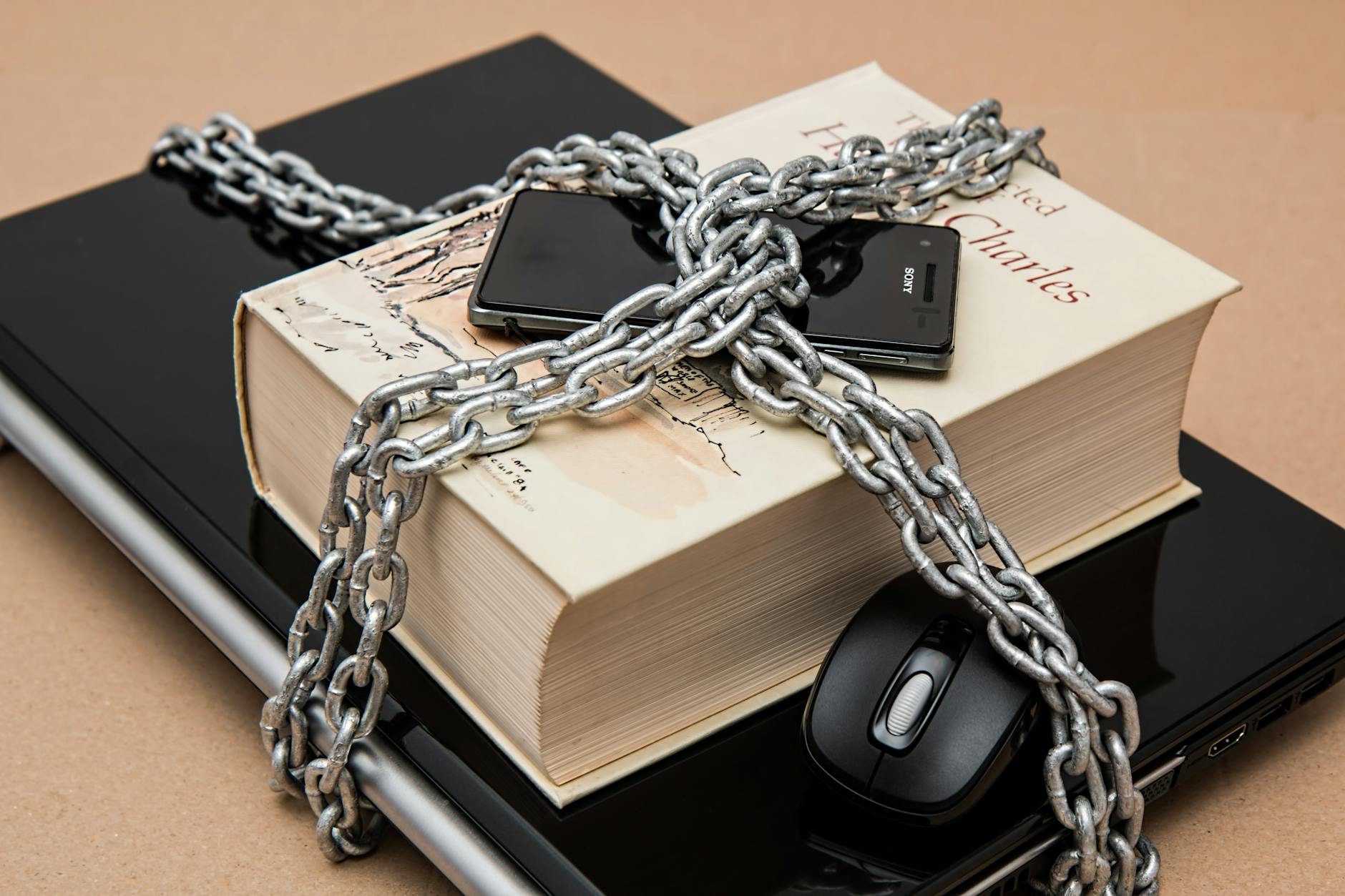

Photo by Pixabay on Pexels.com

From Tools to Tethers

We remember when we could buy software once and use it for years.
We remember when a car’s features were hardware, not paywalled.
We remember when a song download meant we owned it.

But now:

  • Microsoft Office is a subscription.
  • Tesla’s seat warmers require a monthly payment.
  • E-books on our Kindle can be deleted remotely.

We’ve moved from products to platforms to prisons.
And the doors lock automatically when the rent is late.

“The war on general-purpose computing is a war on ownership.”Cory Doctorow, author & digital rights activist


The Algorithmic Lease

This system doesn’t just live on our bank statements.
It feeds on our behavior.

We’re managed by code. Trained by design. Nudged by algorithms that know exactly when to tempt us, prod us, or penalize us.

  • Free trials renew without notice.
  • Cancel buttons are buried in UI mazes.
  • “Are you sure you want to cancel?” guilt-trips pop up like clockwork.

We’re not being served—we’re being optimized.
For extraction. For retention. For profit.

“Surveillance capitalism unilaterally claims human experience as free raw material for translation into behavioral data.”Shoshana Zuboff, author of The Age of Surveillance Capitalism


The New Feudalism

“You will own nothing and be happy.”

A phrase once dismissed as dystopian is now just business strategy.

Let’s look around:

  • Homes are rentals.
  • Cars are leased.
  • Content is licensed.
  • Tools are cloud-locked.
  • Even tractors are DRM’d to block our right to repair.

This is corporate enclosure 2.0.
But instead of kings and lords, we’ve got CEOs and cloud platforms.

We’re not customers anymore. We’re subscription serfs—locked into infinite payment cycles just to function in daily life.
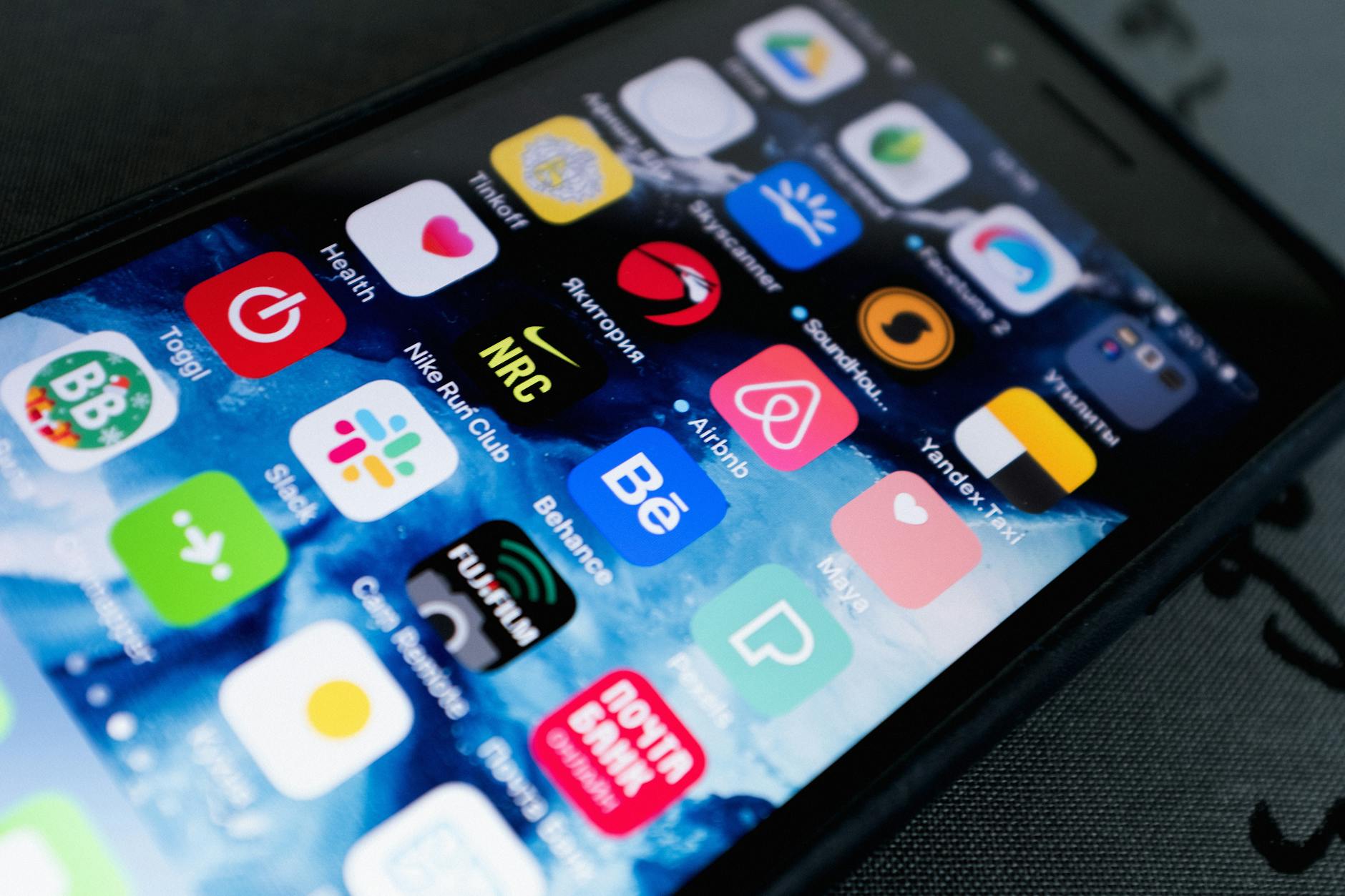

Photo by ready made on Pexels.com

We Still Have Choices

This isn’t anti-tech. It’s pro-agency.

We can seek out companies that still let us buy once and own forever. We can use open-source tools that aren’t tied to profit motives. We can refuse to mistake convenience for autonomy.

Every time we choose ownership, even in small ways, we push back against a system designed to make us permanent renters.

Because ownership still matters.
And freedom doesn’t auto-renew.


🗞 anarchyroll presents

Excess and Algorithms
Wisdom is resistance. Truth over tribalism.


🎬 This article was reimagined as a visual essay — watch the reel below.

@anarchyroll_

Subscription Serfdom We used to own what we paid for. Now we lease our lives—locked into endless subscriptions, optimized by algorithmic landlords. 🗞 Full article at anarchyjc.com ☯️ Truth over tribalism ♾️ Wisdom is resistance. #DigitalFeudalism #SubscriptionEconomy #ExcessAndAlgorithms #anarchyroll #subscribe #economy #economics

♬ start the action – patrickzaun

📡 Follow anarchyroll across platforms for more visual essays, short-form truth, and independent, gonzo journalism-inspired writing:

📽️ TikTok: @anarchyroll_
📷 Instagram: @anarchyroll
🐤 X / Twitter: @anarchyroll
🧵 Threads: @anarchyroll
🔵 Bluesky: @anarchyroll

eanda logoajclogo2

by @anarchyroll
10/15/2014

It turns out Apple is worth more than a lot of things. A lot of things and a lot of other companies.

The company is valued at over half a trillion dollars and at any one time, has around $160 billion of liquid assets on hand.

The US government for instance, has less than 1/3 of that on hand. Although, as the Forbes article linked above makes sure to note, the US Treasury can at any time print more money and invest it into treasury notes.

What does it mean when a company has more than three times the amount of money as the government  of the country it operates in? Does that tremendous gift on incredible wealth come with added responsibility? A responsibility not just to employees and shareholders, but to cities, cultures, and societies?

Apple hoards so much cash, that Carl Ichan, the man who the lead character in the movie Wall Street is based on, thinks Apple is being too greedy with their profits. That takes a whole lotta greed. Ichan is as ruthless of a capitalist as it gets. If someone who makes his living using money to make money thinks Apple owes something to other people, that puts Apple in a different light than the idolatry bestowed upon their founder and products.

Apple already deserves some scorn for their notorious tax dodging/avoidance practices. They dodge taxes and hoard cash from even their own stockholders. What about the societies that have enabled the company to become richer than governments? What about the roads, schools, bridges, farms, poverty, intelligence, and morale of the places and people Apple has made their billions in? Do they owe something? Should they bear more responsibility to the public than slightly newer, slightly modified consumer electronic gadgets a few times per year?

With great power comes great responsibility. Money equals power in the world we live in. No one person, government, or corporation in the world has more money than Apple. Where does responsibility come in?


eanda logoajclogo2

by @anarchyroll
10/6/2014

The biggest Initial Public Offering (IPO) in the history of the New York Stock Exchange occurred recently.

Have you heard of Alibaba? Had you heard about Alibaba before last month? Have you already forgotten about Alibaba after it didn’t carry over to a fresh news cycle? When someone mentioned it to me last month, all I thought of was the Beastie Boys song.

What is Alibaba?

  • Google, Amazon, PayPal and eBay all rolled into one
  • A wholesale marketplace; Alibaba is the middleman the connects retailers/sellers directly to customers/buyers
  • Alibaba is the top dog in the largest e-commerce market in the world

How did Alibaba become the biggest IPO ever?

  • Capitalizing on the Chinese consumers’ desires to shop online, for cheap, with trustworthy retailers/merchants
  • 80% of China’s e-commerce is done through Alibaba
  • Domination of the world’s largest growing market paired with international expansion has Wall Street drooling

So China’s biggest internet cash cow has gone public on stock market. Yahoo is the biggest American company to directly benefit from Alibaba’s IPO success as the two are very  much in bed together, on the level, and in public NOT under the table. In fact, Yahoo has benefited so much from Alibaba’s success there is talk of them investing in and/or acquiring Snapchat.

What are potential problems with Alibaba?

  • It’s Chinese, the communist government/central bank could throw a monkey wrench into the mix at any time, and already has
  • The stock being bought isn’t actual stock in the company, but in their Cayman Islands shell corporation
  • Is Alibaba-Mania a product of a new Dot Com Bubble? The question is worth asking.

Should you go out and buy as much Alibaba stock as you can afford? Well, if you’re a good investor, you should always asked yourself; what would Warren Buffett do?

As with most IPOs, if you weren’t ahead of the curve or a fan of the band before they were cool, the ship has mostly sailed on this one. What I find personally noteworthy about Alibaba, is everyone I know who invests and is well off because of it, wants nothing to do with Alibaba. Why? They all say the same thing; the Chinese government. How much is the government involved with Alibaba? How much influence do they have? How much transparency is there and how much of that can actually be trusted?

When the Head of the FBI goes on 60 Minutes and openly talks about the Chinese military attempting to cyber attack the US economy, one should be very cautious about investing in the Cayman Islands shell company of a Chinese internet marketplace with direct ties to the Chinese government.

eanda logoajclogo2

by @anarchyroll
8/14/2014

Can a nuclear bomb be repackaged and sold as anything other than a weapon of mass destruction?

Countries that have the bomb, like the United States, claim they can be used as weapons of peace. Peace via the threat of destroying the world hanging over the head of anyone who dares to cross the boss.

Derivatives were at the core of the financial collapse of the global economy in 2008. Warren Buffet; America’s greatest living investor, has publicly stated he stays far away from them. With those two unremovable stains, it is no wonder why JP Morgan and Goldman Sachs are trying to rebrand derivatives.

Derivatives are the tool or instrument most used by big banks and hedge funds that turns Wall Street and the finance sector of the American economy into a casino on steroids. Until derivatives are regulated (they are completely unregulated presently) then Wall Street will, like a degenerate gambler, continue rolling the dice as often as possible, at the highest stakes possible.

Using money to make money has been described as The American Way by many CEO’s who have taken their respective companies public. If that is an acceptable definition of The American Way, then there is nothing more patriotic than using derivatives to make money.

One of the many problems with derivatives is that it uses nothing real, tangible that can be held and felt in the real world. The only thing a derivative is used for, is to make money in the finance sector. The finance sector of any economy is meant to help build wealth for the masses. Derivatives are a tool used by finance sector insiders, for finance sector insiders. Derivatives are purposefully complex and confusing, in many cases beyond any verbal explanation.

Attempting to rebrand derivatives under the umbrella of Alternative Mutual Funds, shows exactly why the finance sector of America’s economy needs to be strictly and tightly regulated this side of the 2008 collapse. They know how dangerous and damaging derivatives have been in the past, and rather than allow transparency and regulation, Wall Street is trying to sweep them under a rug, and try to tell people that the rug is a self-sustaining money tree.


eanda logoajclogo2

by @anarchyroll
7/26/2014

If you don’t know who Warren Buffett is, all you need to know is that he’s the greatest living investor in the history of the American stock market(s). In the world of finance he’s the Michael Jordan, Muhammad Ali, Wayne Gretzky, and Babe Ruth. He is the man and has nothing resembling an equal.

Warren Buffett has also become the conscience of the finance sector the American economy.

This is evidenced by his refusal to put his wealth of wealth into commercial securities and derivatives. Whereas all other big banks, hedge funds, and trading houses can’t get enough of either.

In a recent issues of TIME magazine, Buffett called all commercial securities “weapons of mass destruction.”

Commercial mortgage-backed securities (CMBS) and derivatives were two primary instruments in the 2008 global economic meltdown, the worst economic collapse since The Great Depression.

Warren Buffett invests the old-fashioned way, when investing was investing. CMBS and derivatives are the tools that have turned Wall Street into a casino on steroids. CMBS and derivatives are the dice, the global economy is the table, the chips that big banks and hedge funds are playing with are the liquid assets of the global economy. Are the craps and gambling metaphors coming across clearly enough?

After all of the pain and devastation that derivatives trading has done to the global economy, there is certainly a strong case to be made that they should be done away with completely. But in the spirit of baby steps and pragmatism, how about we start with at least putting some kind, any kind of regulation on derivatives trading?

If commercial securities and derivatives aren’t good enough for the greatest living investor in America, perhaps it is best that we all steer clear of them. If someone with literally billions of dollars to burn doesn’t want to touch them, why would any person dependent on a robust 401k to be able to retire at 65 want their limited assets intertwined with the same investment instruments that collapsed the global economy barely a half decade ago?