
Why Competition Doesn’t Always Mean Freedom
Walk into almost any grocery store, and you’ll see an aisle full of choices. Twenty brands of cereal. Thirty kinds of toothpaste. Rows of bottled water stretching farther than anyone could reasonably compare.
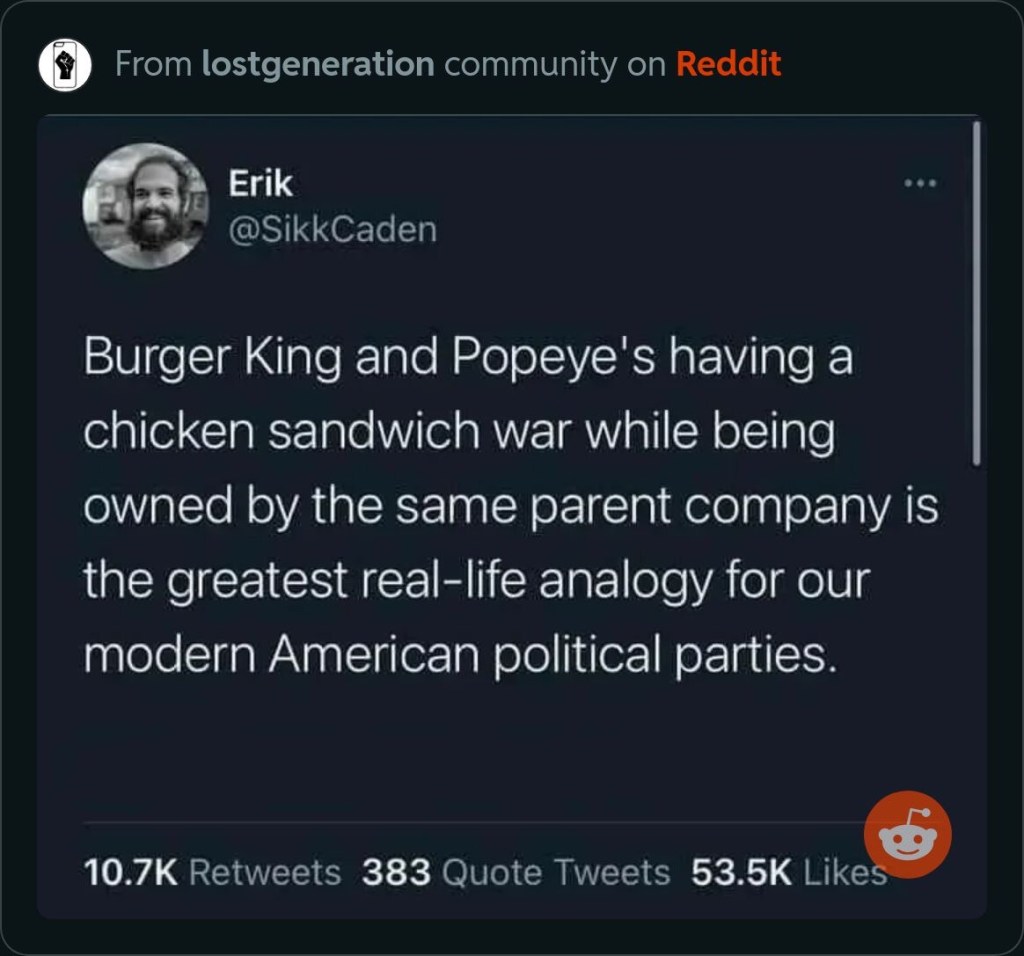
It looks like competition working exactly as promised. Then look a little closer. Many of those brands belong to the same handful of parent companies. The logos multiplied. The owners didn’t.
Once you see that pattern, it’s hard to stop seeing it.
- Beer.
- Airlines.
- Eyewear.
- Internet providers.
- Streaming services.
Different industries. The same story. Competition hasn’t disappeared. It has become harder to recognize.
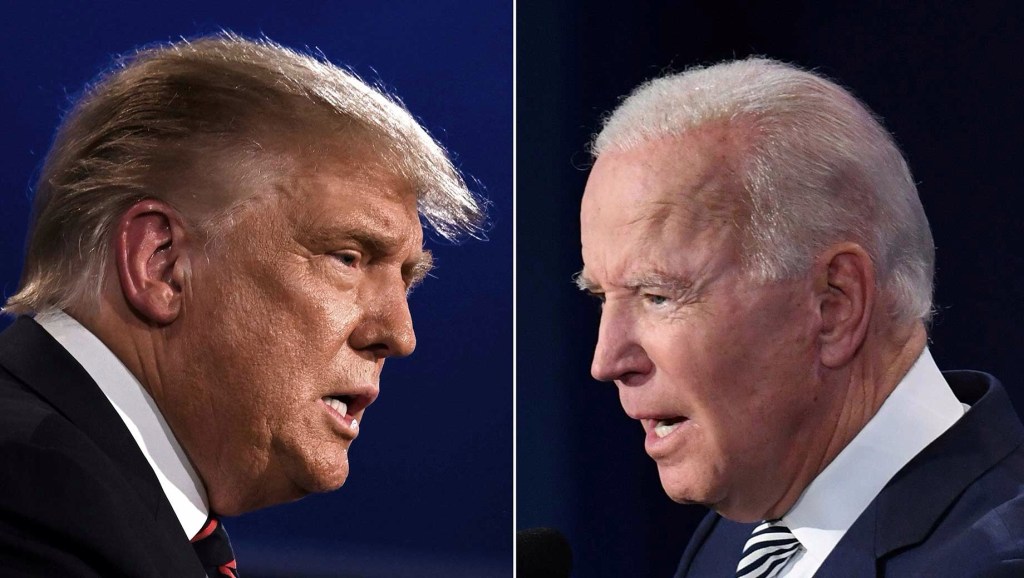
The same question follows us out of the grocery store and into the voting booth. Every election is presented as a battle for the country’s future. Campaigns spend billions. Ads on television and social media become impossible to escape.
Americans are told the choice has never mattered more. The disagreements are real. The stakes are real. Yet generation after generation, the country returns to the same two political parties.
One grocery aisle. One ballot. One question.
When does competition expand freedom… and when does it simply preserve the appearance of choice?
This isn’t an argument about conspiracy. It doesn’t require secret meetings or hidden puppet masters. It asks a simpler question.
What happens when different institutions respond to the same incentives?
Because patterns don’t require coordination. Sometimes they only require rewards that point everyone in the same direction.
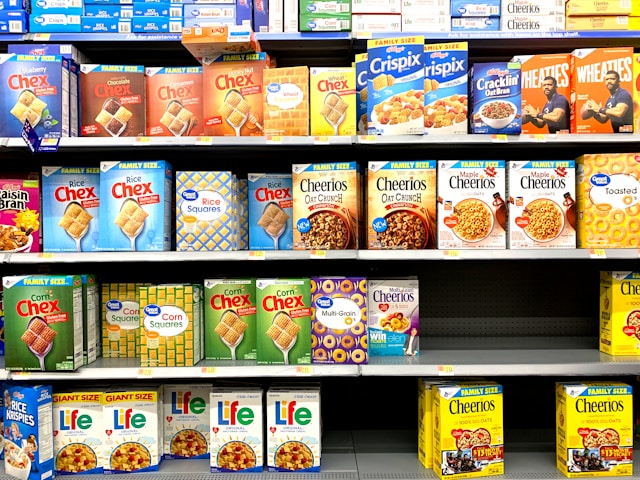
More Brands. Fewer Owners.
Modern life offers more products than any generation before us could imagine. That’s real progress.
But abundance isn’t the same as independence.
For decades, mergers and acquisitions have quietly reshaped the American economy. Companies that once fought each other now sit inside the same corporate portfolios. Familiar brands remain because consumers recognize them. Ownership changes because investors reward scale.
The eyewear industry is one of the clearest examples. Brands that appear to compete often trace back to the same corporate ownership. The beer industry tells a similar story. So do airlines. So do meatpacking companies.
Different products. The same direction.
None of this means large companies are inherently bad. Large companies can lower prices, invest in research, and distribute products more efficiently than smaller competitors. Those are real benefits. But every benefit comes with a tradeoff.
Competition isn’t measured by how many logos fill a shelf. It’s measured by how many independent organizations make the decisions behind those logos. History has wrestled with this question before.
When Standard Oil grew so large that it dominated its industry, lawmakers concluded that competition itself needed protection. The Sherman Antitrust Act wasn’t simply about breaking up one company. It reflected a broader principle.
Markets work best when power can still be challenged. That debate never disappeared. It simply found new industries.
Two Parties. One Structure.
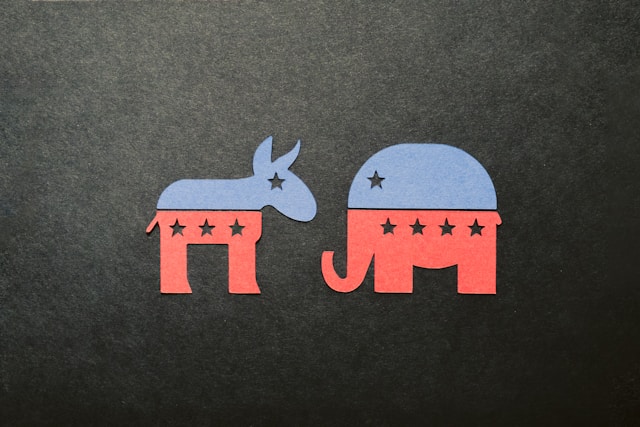
Politics isn’t business. Its purpose is representation, not profit. But institutions often reveal themselves through structure rather than purpose. Every presidential election begins with dozens of candidates. By Election Day, almost every path leads to the same two choices. Republican. Democrat.
The parties disagree on issues that genuinely matter.
- Taxes.
- Immigration.
- Foreign policy.
- Abortion.
- Regulation.
Those differences deserve to be taken seriously. But they don’t answer a different question. Why has the competitive structure remained so stable for so long?
Political scientists have an answer. Duverger’s Law. In winner-take-all systems, voters eventually gravitate toward two dominant parties because voting strategically becomes more practical than voting ideally.
The rules shape the incentives. The incentives shape the outcome.
Ballot access laws, campaign finance, and debate rules reinforce that structure. None of them eliminate competition. Together, they narrow it. The ballot still offers a choice.
The range of viable choices shrinks long before Election Day. The pattern starts looking familiar.
Consumers choose among brands owned by fewer companies. Voters choose among candidates produced by fewer political organizations.
Different systems. The same incentives.
The Business of Conflict
Markets reward familiarity. Politics rewards loyalty. Media rewards attention.
Those incentives increasingly reinforce one another.
Conflict keeps audiences watching. Audiences attract advertisers. Algorithms learn what keeps people engaged. The cycle feeds itself.
This doesn’t require journalists trying to divide the country. It requires businesses responding to business incentives.
A fight between two sides is easier to package than a conversation involving ten. Complexity loses. Conflict wins.
Why It Works
The final piece isn’t corporate. Or political. It’s human.
Our brains look for shortcuts. We trust familiar brands. We return to familiar news sources. We identify with familiar political tribes.
Psychologist Barry Schwartz argued that more options don’t always make people feel freer. Beyond a certain point, endless choices create fatigue instead of confidence.
Daniel Kahneman showed that our minds rely on mental shortcuts because they have to.
Those shortcuts help us navigate the world. They also make familiar choices remarkably powerful.
The easiest choice to shape…is the one that still feels like a choice.
The Pattern
By themselves, none of these examples prove very much. Together, they tell a remarkably consistent story.
- Markets concentrate ownership.
- Politics concentrates viable competition.
- Media concentrates attention.
- Human beings concentrate familiarity.
Different institutions. Different histories. The same incentives.

The Verdict
Competition is how free societies distribute power. It disciplines markets. Challenges governments. Rewards innovation.
Without competition, institutions stop earning trust. They begin inheriting it.
That’s why the appearance of competition deserves as much attention as competition itself.
A system doesn’t have to eliminate alternatives. It only has to make meaningful alternatives harder to reach.
The shelf still looks full. The ballot still looks competitive. The debate still looks balanced. Until you begin asking a different question.
Not…“What are my choices?” But…“Who decided these were my choices?”
That’s where institutions become visible.
History rarely announces the moment freedom begins to narrow.
It happens one decision at a time. One merger. One acquisition. One election cycle. One incentive.
Until the boundaries become so familiar that they stop feeling like boundaries at all.
Every institution develops incentives to preserve itself.
- Corporations.
- Political parties.
- Media organizations.
- Universities.
- Bureaucracies.
That’s not corruption. It’s organizational behavior.
The responsibility isn’t to eliminate institutions. It’s to keep them accountable.
To make sure competition remains real.To make sure alternatives remain possible.
Because once competition becomes performance…freedom begins shrinking long before anyone notices.
The most powerful systems rarely eliminate choice. They simply become good at deciding which choices remain.